ERP 2.0 OBU Deadline: What Singapore Drivers Need to Do Before 2027
Singapore is completing the move from the old IU to ERP 2.0 On-Board Units. Here is what vehicle owners should check before the 1 January 2027 requirement takes effect.
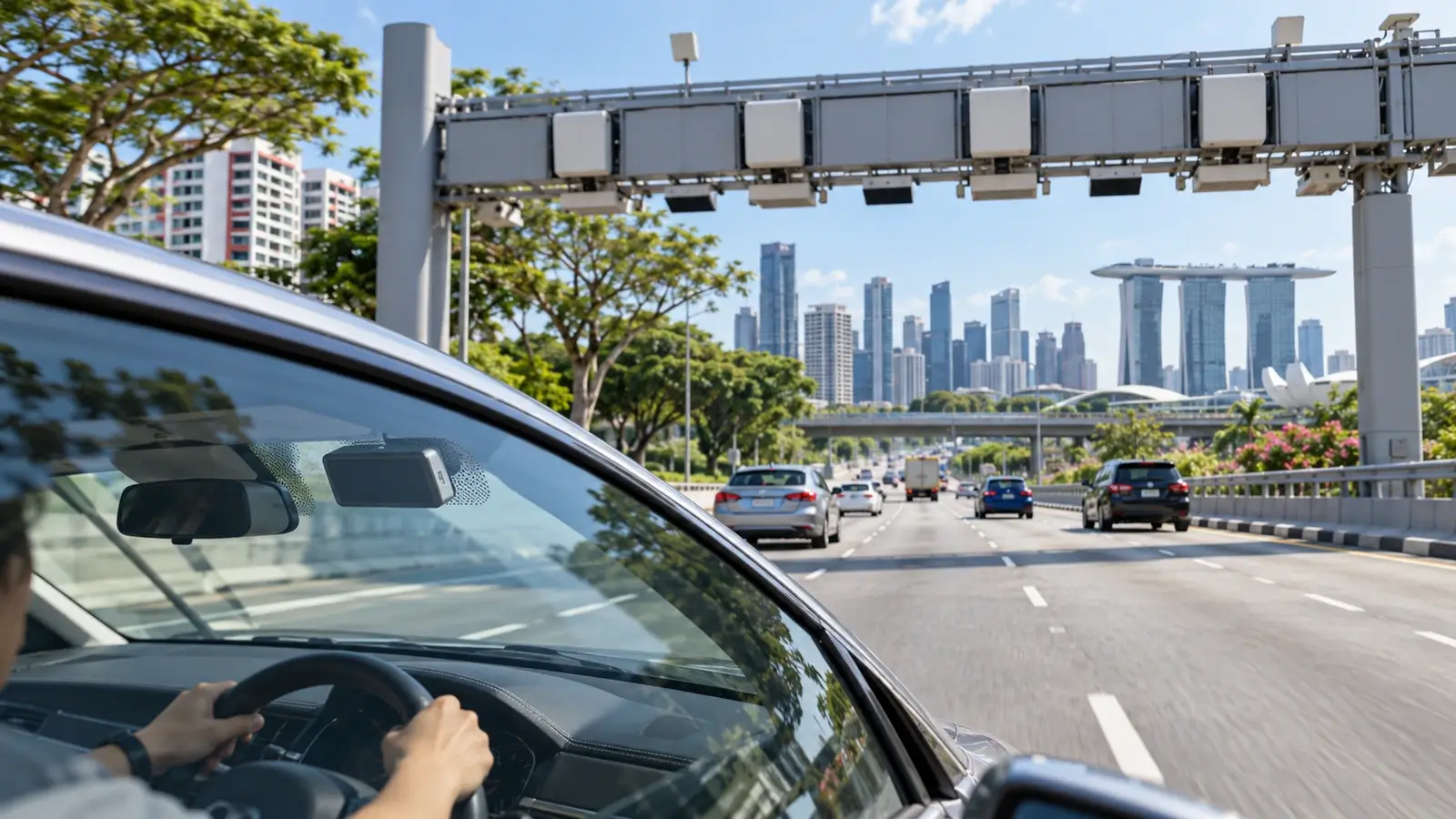
Singapore is completing the move from the old IU to ERP 2.0 On-Board Units. Here is what vehicle owners should check before the 1 January 2027 requirement takes effect.
- Mandatory date
- 1 Jan 2027 for most Singapore-registered vehicles
- Free installation
- Within allocated invitation/reminder window for eligible vehicles
- After free window
- Installation fees can apply
- Foreign vehicles
- OBU optional in 2026; different charging from 2027 if no OBU
- Booking
- LTA-authorised workshop
Singapore is completing the move from the old IU to ERP 2.0 On-Board Units. Here is what vehicle owners should check before the 1 January 2027 requirement takes effect. This guide focuses on practical decisions and uses current official sources available at publication time.
Key Takeaways
- From 1 January 2027, the OBU becomes mandatory for most Singapore-registered motor vehicles using public roads.
- Eligible existing vehicles can install the OBU free within LTA’s allocated installation window; missing the extended window can trigger installation charges.
- Drivers can choose the touchscreen display or use a compatible mobile app, but ERP charging still occurs even if the phone is unavailable.
What happens on 1 January 2027?
LTA says the ERP 2.0 On-Board Unit (OBU) will be mandatory for most Singapore-registered motor vehicles using public roads from 1 January 2027. The installation exercise has been running for several years as the older In-Vehicle Unit system is phased out.
If your vehicle is still using the old setup, do not assume you need to wait for another invitation before acting. LTA says eligible owners may book with an authorised workshop before receiving the next notification.
Is OBU installation still free?
For eligible Singapore-registered vehicles, LTA provides a free installation window. The agency says owners are generally given six months from their invitation, followed by a reminder and an additional three months if the first window is missed.
After that extended period, installation charges can apply: LTA lists S$35 for motorcycles and S$70 for other vehicles, excluding GST, before installation becomes mandatory in 2027.
How to book an OBU installation
Use LTA’s official OBU booking service to identify an authorised workshop suitable for your vehicle make. You can combine the appointment with scheduled servicing if the workshop supports it.
LTA notes that somebody else may bring the vehicle on your behalf and that no documents are required for the appointment. Clear the dashboard first because technicians will discuss component placement and may need access around the existing IU.
Do you need the touchscreen display?
For cars and many other vehicles, drivers can choose the OBU configuration with the touchscreen display or use a compatible mobile application for visual alerts and information. The important distinction is that the phone display is not what creates the ERP charge.
If your phone has no power, loses data or is damaged, you may not see alerts, but ERP transactions can still be processed by the OBU. Consider how often you rely on navigation and charging before deciding which setup is more practical.
Payment and the complimentary NETS Motoring Card
LTA provides a complimentary CEPAS-enabled NETS Motoring Card during the first OBU installation while supplies apply. This is useful for private carparks that may not support all Electronic Parking System payment arrangements.
Review your payment method after installation rather than assuming the old card setup will behave exactly the same way. LTA provides guidance on automatic payment arrangements and troubleshooting.
What about Malaysia and other foreign-registered vehicles?
The OBU is not mandatory for foreign-registered vehicles during 2026, although foreign motorists can choose to install one in Singapore. LTA lists an OBU price of S$158.70 including GST through 31 December 2026, excluding any workshop installation fee.
From 1 January 2027, foreign vehicles entering Singapore without an OBU will use a flat-rate ERP arrangement on operational days. LTA currently states S$3 per operational day for foreign motorcycles and S$10 for other foreign-registered vehicles without an OBU.
OBU checklist before the end of 2026
- Check whether your vehicle already has a working OBU.
- If not, confirm eligibility and book an authorised workshop.
- Decide whether you want the touchscreen display or mobile-app setup.
- Confirm your preferred payment arrangement after installation.
- Keep the workshop details in case an inspection or fault is later reported.
Use LTA’s ERP 2.0 page for the latest rules, especially if you own a classic, vintage, laid-up or foreign-registered vehicle because exemptions and alternative arrangements apply.
Sources
Primary or official sources used for this guide: