JB–Singapore RTS Link 2027: February Opening Target, Journey Time & Latest Updates
The JB–Singapore RTS Link is now expected to begin passenger service in February 2027, subject to safety certification and final approvals. Here is the latest timeline, five-minute journey, CIQ setup and what remains unconfirmed.
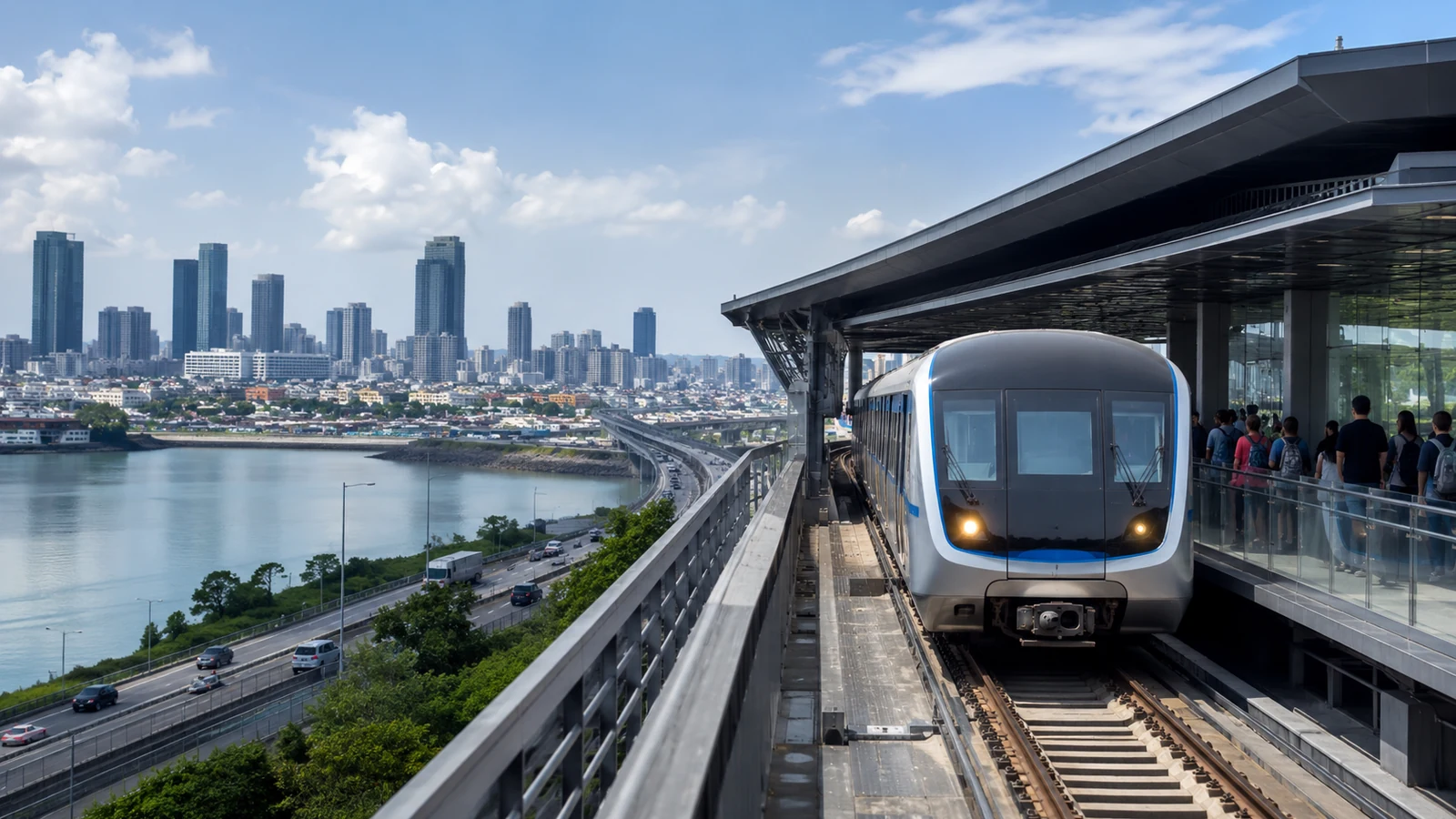
AI-generated editorial image: The Singapore Best
- Route
- Woodlands North ↔ Bukit Chagar
- Journey
- About 5 minutes
- Latest opening target
- February 2027
- Peak capacity
- Up to 10,000 passengers per hour in each direction
- Immigration
- Both countries' CIQ clearance at the point of departure
Latest update: the Johor Bahru–Singapore Rapid Transit System (RTS) Link is now expected to begin passenger service in February 2027, not at the end of 2026. Singapore's Land Transport Authority (LTA) and Malaysia's Ministry of Transport announced the revised target on 2 October 2026 after RTS Operations said more time was required for final testing, safety certification and regulatory approvals.
Key Takeaways
- The latest official target is February 2027, subject to independent safety certification and final regulatory approvals.
- The train journey between Woodlands North and Bukit Chagar is expected to take about five minutes.
- Passengers are intended to clear both Singapore and Malaysia immigration at the departure station, rather than repeating clearance after arrival.
- Exact fares, service hours, frequency, ticketing arrangements and the first day of passenger service should still be treated as unconfirmed until formally announced.
When will the JB–Singapore RTS Link open?
The latest official target is February 2027. In the 2 October 2026 joint announcement, LTA and Malaysia's Ministry of Transport said RTS Operations expects to complete final system tests and trial runs by 31 December 2026. The operator must then obtain independent safety certification, after which the relevant authorities can grant final regulatory approvals for passenger operations.
This is an important change from the earlier end-2026 target. Some older official project pages and earlier announcements may still display December or end-2026 information. For planning purposes, the newer dated joint announcement from 2 October 2026 is the more recent official position.
Why was the opening target moved to February 2027?
The latest joint release says infrastructure works in Singapore and Malaysia are substantially complete, but more time is required for the activities that must happen before passenger service can begin. These include final system testing, trial runs, independent safety certification and the final regulatory approval process.
That means February 2027 should still be treated as a target, not a guaranteed opening day. The authorities have not announced an exact first-service date yet.
What is the RTS Link route and how long will the train take?
The RTS Link is a roughly 4km cross-border rail shuttle connecting Woodlands North in Singapore with Bukit Chagar in Johor Bahru. LTA says the train journey itself is expected to take about five minutes between the two stations.
The line is designed for a peak capacity of up to 10,000 passengers per hour in each direction. The practical door-to-door journey will of course be longer than five minutes because travellers will still need time for immigration, station access, waiting and onward transport.
How will immigration work on the RTS Link?
One of the most important features is the planned use of co-located Customs, Immigration and Quarantine (CIQ) facilities at both Woodlands North and Bukit Chagar.
The intended process is that passengers clear both Singapore and Malaysia authorities at the point of departure. After that, they should not need to go through immigration clearance again when they arrive at the other RTS Link station.
This is different from a typical international rail trip where immigration may be handled separately on both sides. It is also one reason the RTS Link could make the Singapore–Johor Bahru crossing more predictable once operations settle.
How does Woodlands North connect to Singapore's MRT network?
The Singapore RTS Link terminus is being built next to the existing Woodlands North MRT station on the Thomson-East Coast Line (TEL). LTA says the RTS Link station will connect to the TEL station through the underground station complex.
For travellers arriving from Johor Bahru, this means the cross-border rail trip is intended to connect directly into Singapore's wider MRT network instead of ending as an isolated shuttle terminal.
Where does the RTS Link arrive in Johor Bahru?
The Malaysian terminus is Bukit Chagar station in Johor Bahru. The usefulness of the RTS Link for different JB destinations will therefore also depend on the onward connection from Bukit Chagar to a traveller's final destination.
If you are planning future day trips, do not assume that the five-minute rail ride equals a five-minute Singapore-to-JB city-centre journey. Immigration processing, station circulation and onward travel still need to be included in your total journey time.
Are RTS Link fares, ticketing and operating hours confirmed?
Not yet in the latest official Singapore announcements reviewed for this update. Exact passenger fares, service hours, train frequency, ticket-purchase arrangements and launch-day operating details should be checked only after the operator or the Singapore and Malaysian authorities publish them formally.
Be cautious with fare figures, ticket screenshots or specific opening dates circulating through unofficial channels. Details can change during the final operationalisation stage.
Will the RTS Link replace buses and cars across the Causeway?
No. The RTS Link adds another high-capacity way to cross between Singapore and Johor Bahru; it does not remove the Causeway or the existing road options. Its biggest potential advantage is a dedicated rail crossing with departure-side immigration rather than a journey that depends entirely on road traffic conditions.
How much time it saves in practice will depend on passenger demand, queue management, train frequency, immigration processing and the traveller's onward journey on both sides.
What should travellers prepare before using the RTS Link?
The RTS Link is designed to make the physical crossing easier, but it does not remove normal immigration and travel-document requirements. Before travelling to Malaysia, check your passport validity and the latest entry requirements that apply to you.
Our Singapore passport-validity checklist explains the six-month validity issue travellers commonly need to check. On the Singapore side, our SimplyGo contactless bank-card guide explains how visitors can pay for MRT and bus rides after connecting from Woodlands North.
JB–Singapore RTS Link FAQ
Is the RTS Link still opening in December 2026?
The latest official target is no. On 2 October 2026, the Singapore and Malaysian grantors announced that passenger service is now expected to commence in February 2027, subject to safety certification and final regulatory approvals.
How long will the RTS Link journey take?
LTA says the train journey between Woodlands North and Bukit Chagar is expected to take about five minutes. This does not include immigration, waiting, station access or onward travel.
Will I clear immigration in both Singapore and Malaysia?
You will still be cleared by both countries, but the planned co-located CIQ arrangement means both clearances happen at your departure station. You should not need to repeat immigration after arriving at the other RTS station.
What is the passenger capacity?
The RTS Link is designed for up to 10,000 passengers per hour in each direction during peak periods.
Are fares confirmed?
Final fare and ticketing details should be treated as unconfirmed until the operator or relevant authorities publish them officially.
Sources
Primary official sources used for this update: