Return Right Singapore: How the 10-Cent Bottle & Can Deposit Works
From 1 October 2026, Singapore’s beverage-container scheme is fully implemented. Eligible plastic and metal drink containers carry a refundable 10-cent deposit and a Deposit Mark.
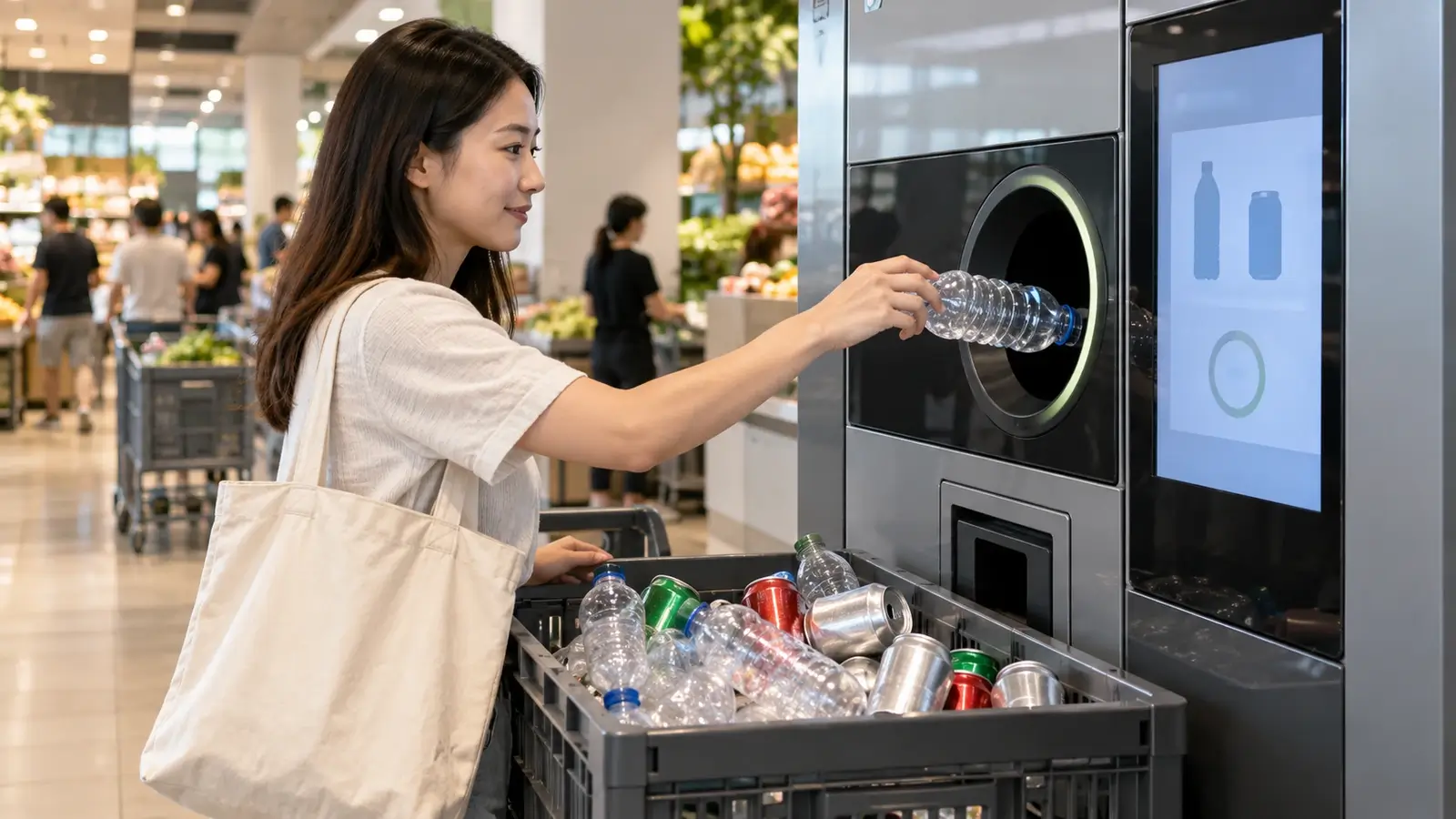
From 1 October 2026, Singapore’s beverage-container scheme is fully implemented. Eligible plastic and metal drink containers carry a refundable 10-cent deposit and a Deposit Mark.
- Full implementation
- 1 Oct 2026
- Refund
- S$0.10 per eligible container
- Container size
- 150ml–3L
- Materials
- Plastic and metal
- Refund methods
- SimplyGo EZ-Link or DBS PayLah!
From 1 October 2026, Singapore’s beverage-container scheme is fully implemented. Eligible plastic and metal drink containers carry a refundable 10-cent deposit and a Deposit Mark. This guide focuses on practical decisions and uses current official sources available at publication time.
Key Takeaways
- The 10 cents is a refundable deposit, not GST and not a recycling fee you permanently lose if you return the container.
- Look for the BCRS Deposit Mark: only eligible marked containers can be accepted for the refund.
- Keep bottles and cans empty and uncrushed so the machine can scan the barcode.
What changed on 1 October 2026
Singapore’s Beverage Container Return Scheme started on 1 April 2026 with a six-month transition period. That transition ended on 30 September 2026. From 1 October, regulated beverage products supplied in Singapore must carry the BCRS Deposit Mark and the refundable 10-cent deposit applies to eligible containers.
The practical difference is that shoppers should now encounter marked containers much more consistently than during the transition period, when old non-deposit stock and new deposit-marked stock could sit on shelves at the same time.
Which bottles and cans qualify
The scheme covers pre-packaged beverages sold in plastic or metal containers from 150ml to 3 litres. That includes common bottled water, soft drinks, juices, dairy drinks, cordials and alcoholic beverages when they are sold in an eligible container.
Glass bottles, beverage cartons, pouches, containers below 150ml or above 3 litres, and freshly prepared drinks such as bubble tea or freshly brewed coffee are outside the consumer return scheme. The easiest check is the label: if there is no Deposit Mark, do not assume the RVM will pay a refund.
Why your drink costs 10 cents more at checkout
For a regulated bottle or can, the 10-cent amount follows the container. Large supermarket operators have adopted shelf pricing that can show the beverage price before the deposit, with the deposit reflected at checkout. Smaller retailers may present pricing differently.
NEA states that the refundable deposit itself is not subject to GST. If you return the eligible container, the 10 cents comes back to you through one of the supported digital refund methods.
How to return a container correctly
Before going to a Return Right reverse vending machine, empty the container and leave it intact. Do not crush or flatten it because the machine needs to read the barcode and Deposit Mark to verify eligibility.
- Insert eligible containers into a Return Right reverse vending machine.
- Follow the on-screen process after the machine accepts your containers.
- Claim the refund using the available digital method, including SimplyGo EZ-Link or DBS PayLah!.
- If an old container has no Deposit Mark, recycle it through the normal recycling stream instead of expecting a deposit refund.
Where to find Return Right machines
The scheme launched with more than 1,000 reverse vending machines around Singapore. NEA says return points include larger supermarkets, town centres, HDB void decks and some hawker centres, with the network planned to expand to about 2,000 points within the first year.
Rather than relying on an old list, use the current Return Right locator before making a special trip. This matters because the network is still expanding and individual return points can change.
What happens at restaurants and hawker centres
Dine-in F&B outlets can join the Return Right F&B Scheme. Participating outlets may avoid charging customers the 10-cent deposit when they keep the eligible container within the premises, for example by serving the drink in a cup or by asking the customer to leave the bottle or can behind.
Non-participating F&B outlets can still sell regulated containers with the deposit. In those cases the customer can keep the container and return it later at a Return Right machine.
Common mistakes that can cost you the refund
The most common problems are bringing an unmarked container, crushing the bottle, leaving liquid inside, or assuming every recyclable package belongs in the scheme. The deposit programme is narrower than normal household recycling: it is specifically for eligible marked plastic and metal beverage containers.
For everything else, use the appropriate recycling route. Our Singapore blue-bin recycling guide explains what can go into household recycling.
Sources
Primary or official sources used for this guide: